
Hybrid Solar Mini-Grid Feasibility for Critical Telecom Infrastructure in Nigeria
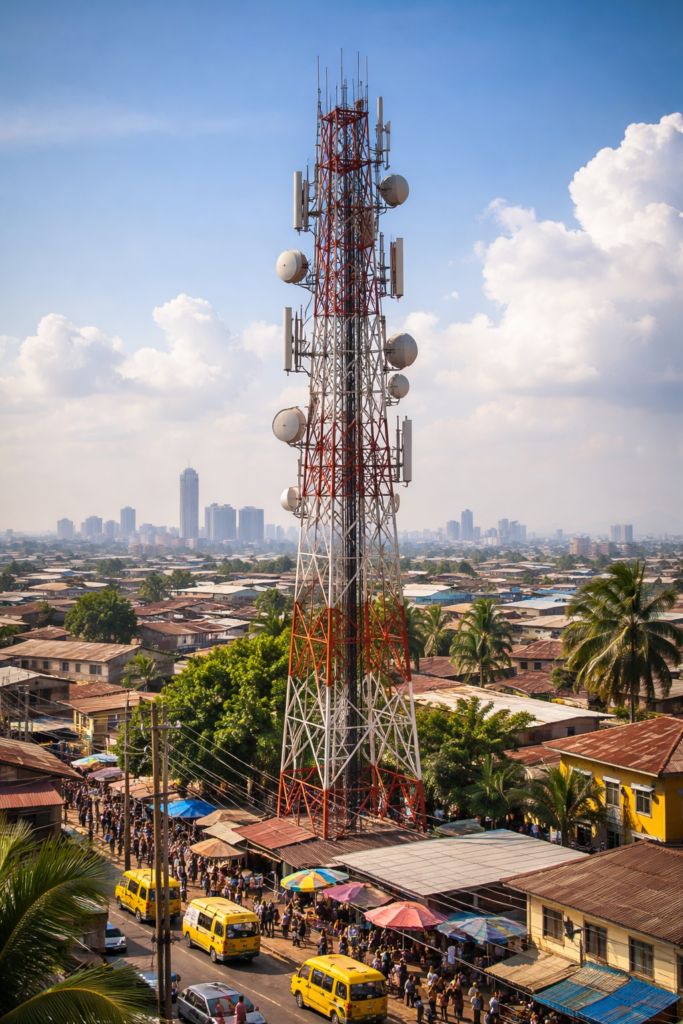
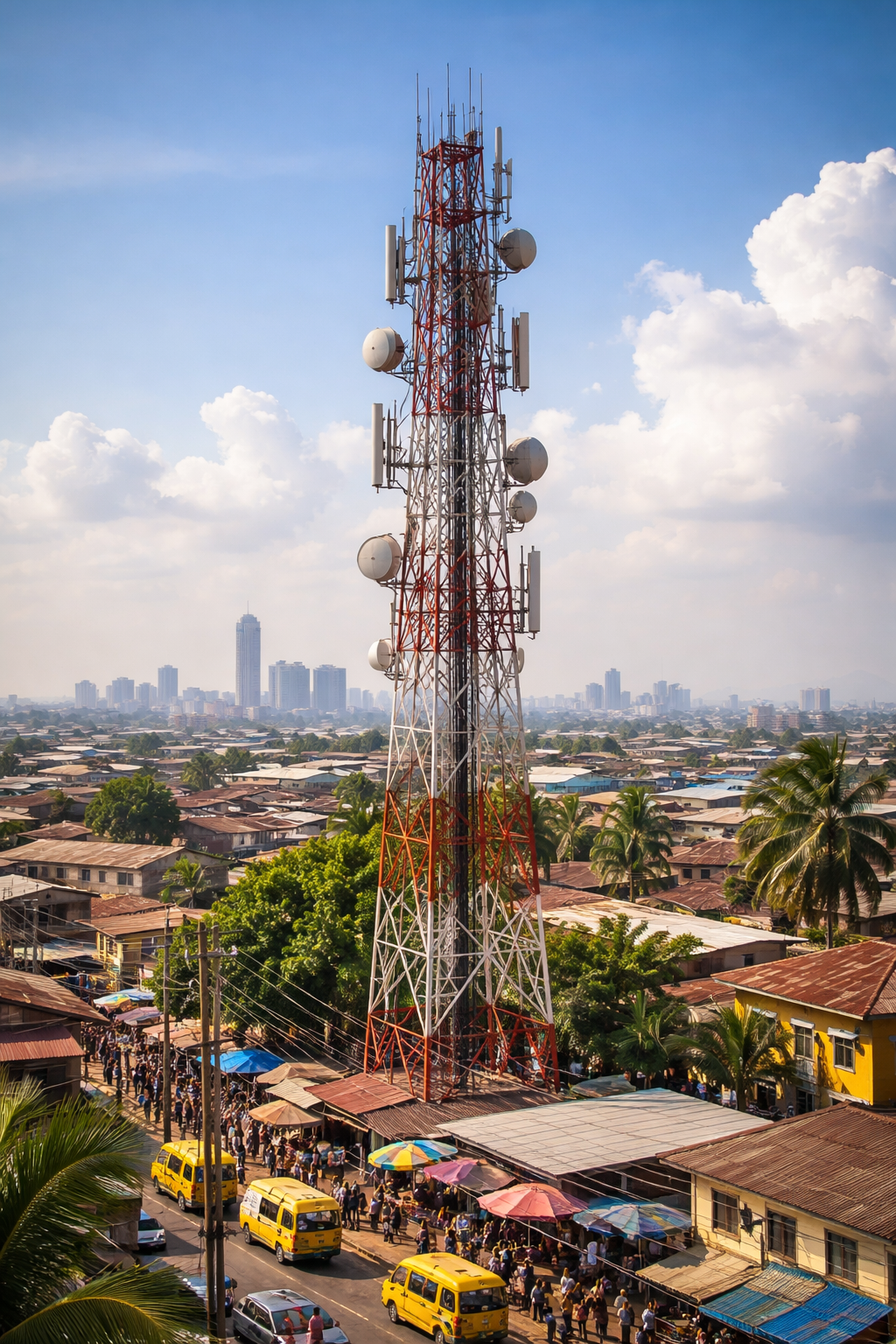
PriVida Power Limited is enhancing digital connectivity in North-Central Nigeria by integrating mobile telecommunications towers into its solar Mini-Grid infrastructure. These connections deliver reliable and clean power to telecom assets operated by IHS Towers and American Tower Corporation (ATC), supporting consistent voice and data services in underserved locations.
At the Namu and Emagaba Mini-Grid sites, ATC and IHS tower infrastructure has been successfully connected to PriVida’s solar-based systems. The configurations are designed to provide continuous power using photovoltaic generation, battery storage, and intelligent energy management, with diesel generation maintained only as standby backup where necessary.
The use of Mini-Grids to power telecom towers reduces dependence on diesel generators, cutting fuel consumption, operating costs, noise, and emissions, while improving overall power reliability and equipment longevity. These improvements contribute to higher network uptime, better service quality for subscribers, and increased digital inclusion within host communities.
Further tower integrations are planned at PriVida’s Mini-Grid sites in Adupi Emiriko and Sati-Ikov, extending the benefits of decentralized renewable energy to additional telecom infrastructure and strengthening network resilience across the region.
Through these deployments, PriVida Power Limited continues to deliver sustainable, bankable power solutions for mission-critical infrastructure, supporting connectivity, local economic activity, and Nigeria’s transition to resilient, low-carbon energy systems.
As part of PriVida’s clean energy transition and sustainable infrastructure portfolio, the feasibility study for a centralized hybrid solar mini-grid in Masaka, Karu Local Government Area, Nasarawa State, represents a strategic step toward decarbonizing Nigeria’s digital infrastructure and expanding access to reliable, low-carbon power. The proposed system was designed to deliver resilient, cost-efficient energy to critical telecom facilities while extending clean electricity to surrounding communities, reinforcing PriVida’s commitment to climate action and inclusive development.
The feasibility assessment evaluated the deployment of an optimized 700 kWp hybrid solar mini-grid integrating solar PV, battery storage, grid interconnection, and diesel backup to supply power to 44 telecom tower sites and up to 500 households. Based on load analysis and system simulations, the optimized design significantly increases renewable energy penetration, delivering approximately 1.2 GWh of clean electricity annually while reducing diesel consumption by up to 35% and increasing renewable energy share to nearly 58%. This transition is projected to deliver substantial reductions in greenhouse gas emissions, supporting Nigeria’s energy transition agenda and long-term climate commitments.

Beyond environmental impact, the project demonstrates the strong economic case for clean energy in mission-critical infrastructure. The feasibility outcomes revealed improved financial performance, shorter payback periods, and enhanced operational reliability, positioning the project as an investment-ready solution for sustainable telecom power supply. The initiative also creates opportunities for local economic participation through construction, operations, and maintenance activities, while improving energy security for both commercial and residential users.
Overall, this feasibility study underscores PriVida’s capability to design scalable, bankable renewable energy solutions that reduce carbon emissions, strengthen infrastructure resilience, and deliver measurable social and economic benefits. By integrating clean energy into Nigeria’s telecom ecosystem, PriVida continues to advance a future where sustainable power drives digital connectivity, community development, and climate resilience across the country.